
After 40 years
One pair for near and far vision.
Progressive lenses let you see clearly at all distances without constantly taking your glasses on and off. However, precise fitting is critical—choose a professional provider to ensure the best results.
I'm a candidate for progressive lenses. Schedule an appointment.
Principle of Progressive Lenses

Distance Zone
Top of the lens for viewing distant objects, such as while driving or watching TV
Progressive band
Gradual lens power change in the center for smooth transition between near and far vision.
Near zone
Bottom of the lens for viewing near objects, such as reading or using a phone.
Target Audience
Why do progressive lenses require professional fitting?
Progressive lenses feature complex optical designs with extremely tight alignment tolerances; even minor deviations can cause discomfort.
Progressive Fitting Master Certification
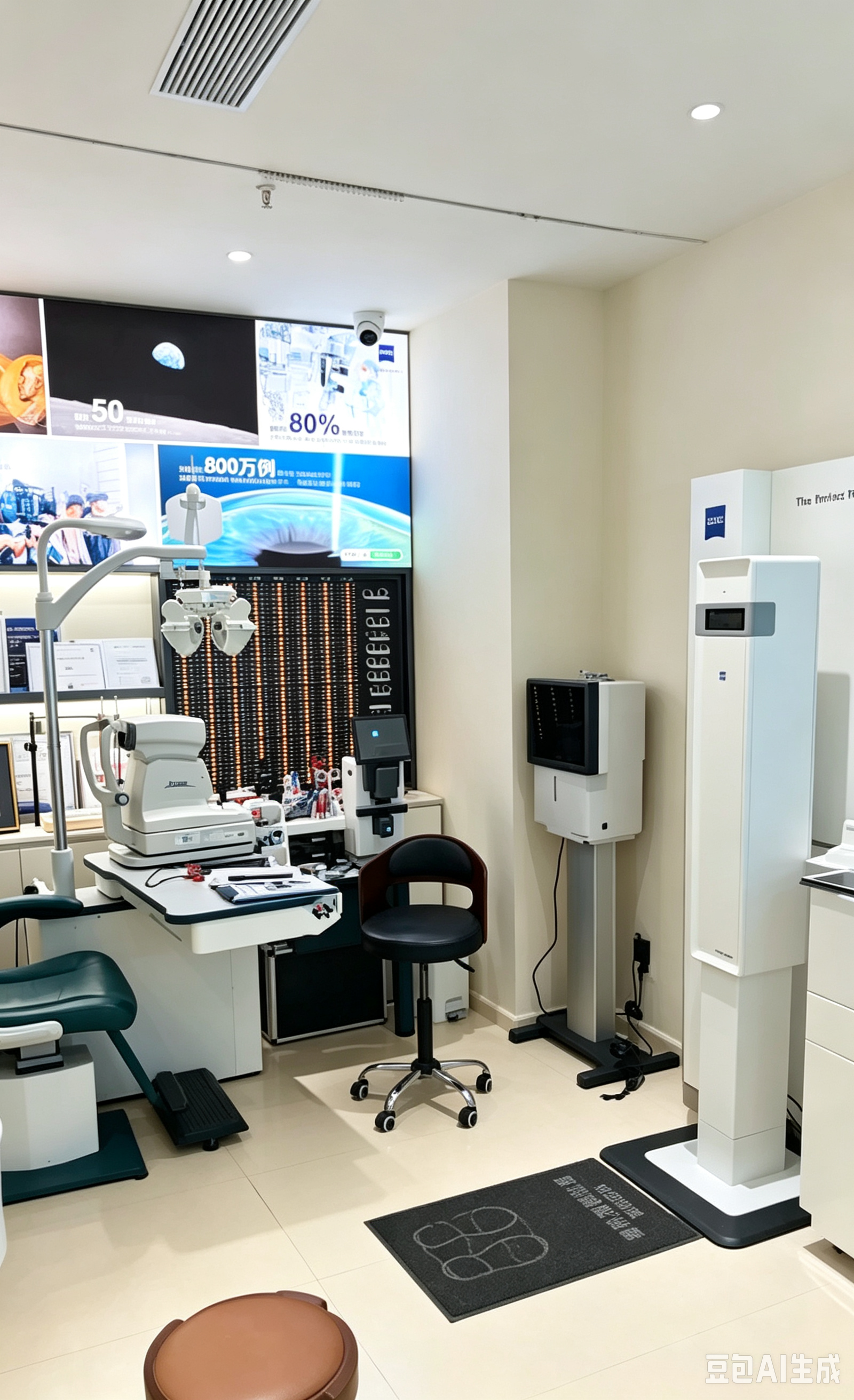
The optometrist holds Zeiss Progressive Fitting Master certification and has extensive experience in fitting progressive lenses.
I.Terminal 2 Digital Positioning
Achieve precise positioning with the Zeiss I.Terminal 2 system, with an error margin of less than 0.1mm to ensure accurate alignment of the optical center.
Personalized Parameter Collection
Measure 20+ parameters including PD, pupil height, frame specs, and wearing angle for custom lenses.
Enhance After-Sales Support
Includes adaptation guidance and free adjustments if needed to ensure a comfortable fit.
Progressive Lens Adaptation Guide
Start with stillness, then move.
Start by practicing while stationary; once familiar, try using it while walking.
Move head, keep eyes still
Turn your head instead of your eyes to look at different distances, allowing your gaze to naturally align with the corresponding areas.
Caution: Stairs
When going downstairs, look down at the steps through the lower part of the lenses. When going upstairs, look up ahead.
Allow ample time to adjust
Most people fully adapt within 1–2 weeks; a few may require more time.
Timely communication and feedback
If discomfort persists, contact your optometrist for adjustments.
Related Articles
Learn more about progressive lenses
Essilor Lenses: A Comprehensive Review – Real Pros & Cons, Ideal Users, and Buying Guide
Crizal Coating Technology: The signature coating of Essilor, acting as a "protective shield" for your lenses. This high-performance composite layer delivers multiple benefits—scratch resistance, water and stain repellency, anti-reflection, and UV protection—extending lens longevity while minimizing visual interference from environmental light.
Are Zeiss lenses suitable for programmers who work on computers long-term?
Superior optical imaging quality with minimal aberrations and high clarity delivers sharp, realistic visuals. Whether coding or researching, text on the screen remains crisp and clear—reducing eye strain and boosting focus and productivity.

Who Is MyoSmart For? A Complete Guide to Choosing the Right Lenses and Managing Childhood Myopia
At the clinic, parents ask me almost daily: "Doctor, can my child wear Starry Control? What kind of children is Starry Control suitable for?"
Experience comfortable progressive vision
Book a progressive fitting to have a certified optometrist design your personalized progressive lens plan.
Book Progressive Fitting